Smart care tools for reptiles & exotic pets
Free calculators, feeding planners, incubation guides and growth tracking — built for keepers, verified by experience, available in your pocket.
Reptile keeping in the US, Canada & the UK
How keepers in the three biggest English-speaking reptile markets set up, source and care for their animals — and the species they love most.

United States
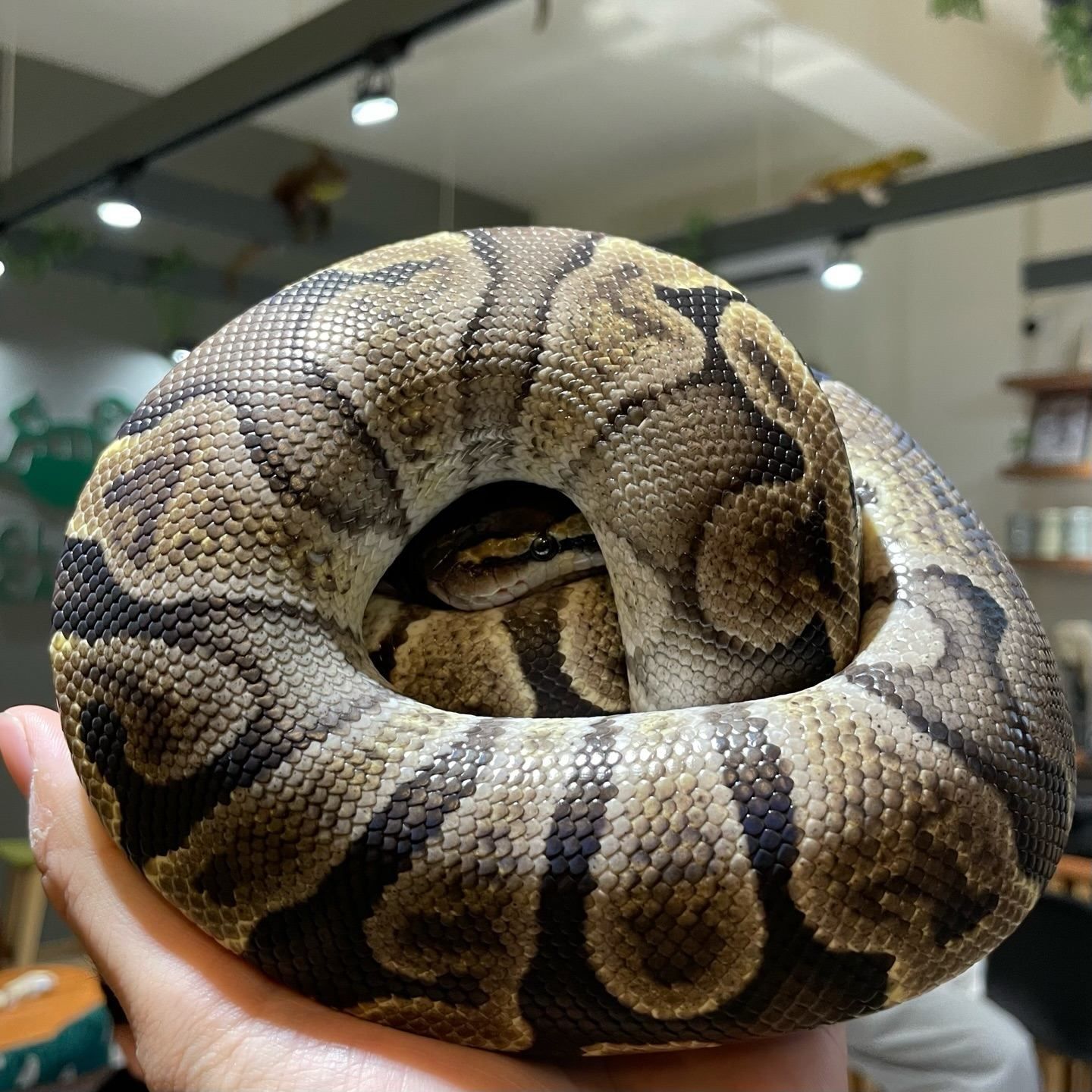
Most loved: bearded dragons, leopard geckos, ball pythons, corn snakes, crested geckos.
Over 4.5 million US households keep a reptile. The scene is driven by reptile expos, morph breeding and a strong exotic-vet network. The modern standard is a 4×2×2 ft enclosure, a thermostat on every heat source, and bioactive setups on the rise.
Legal note: rules vary by state and city — Florida restricts iguanas and tegus, some states regulate venomous species, and the federal 4-inch rule applies to turtle sales. Check local law before you buy.
Canada
Most loved: bearded dragons, ball pythons, leopard geckos, crested geckos, corn snakes, Russian tortoises.
Cold winters make indoor, climate-controlled enclosures a must — heating and humidity management run year-round. Expos are common in Ontario and British Columbia, and keepers often rely on US suppliers for feeders and gear.
Legal note: law is provincial — Alberta bans a long controlled list, BC restricts certain alien species, and municipalities (e.g. Toronto) add their own rules. Small, common species are legal in most provinces.
United Kingdom
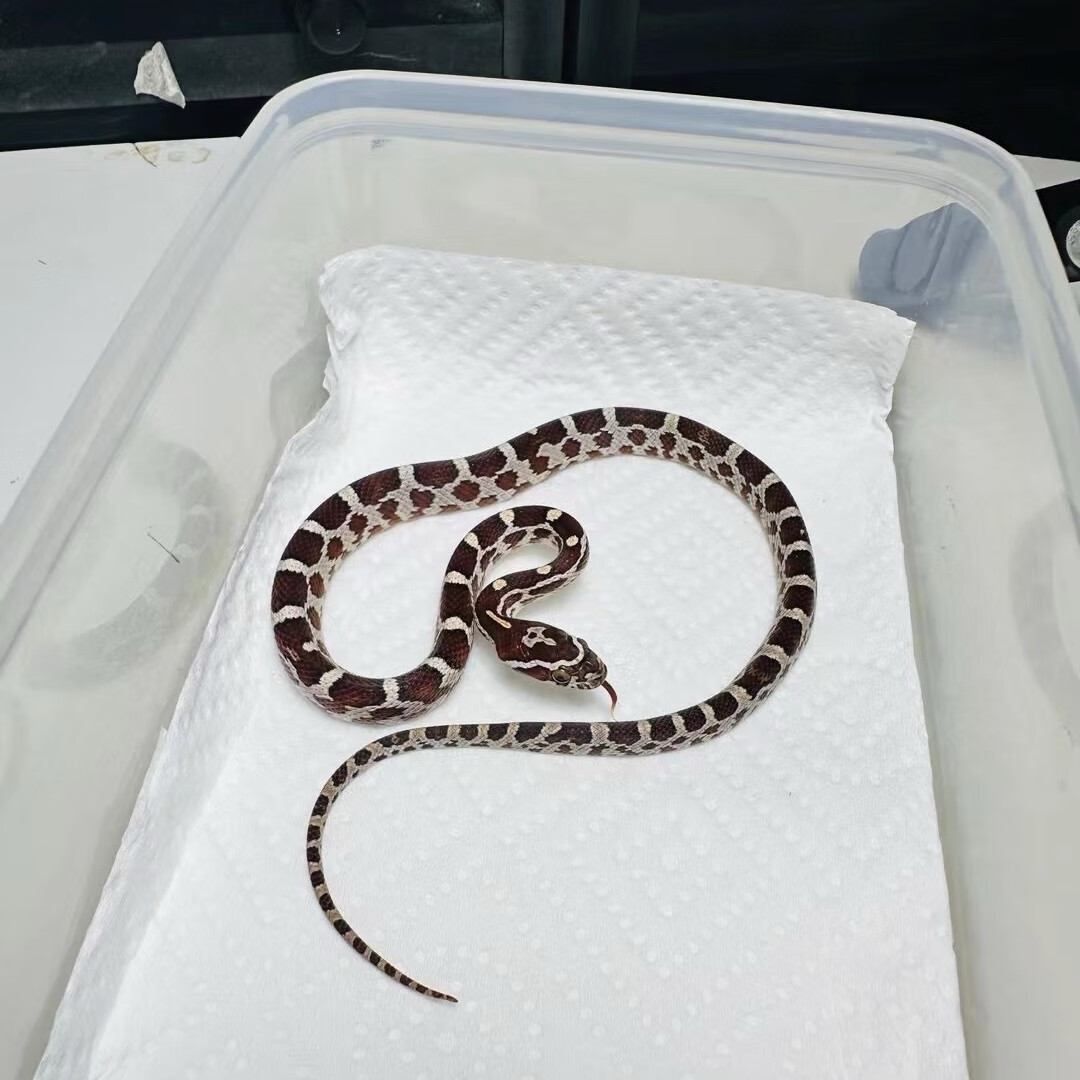
Most loved: corn snakes, royal (ball) pythons, bearded dragons, leopard geckos, crested geckos, Mediterranean tortoises.
About 70% of the UK reptile trade is just six species. Wooden vivariums, strict welfare standards (Animal Welfare Act 2006) and strong RSPCA guidance shape how people keep. Tortoises need careful care-sheet adherence; native species are protected and must never be released.
Legal note: the Dangerous Wild Animals Act 1976 requires a licence for dangerous species (most common pets need none); CITES-listed tortoises need Article 10 certificates. Verify before purchase.
Your favorites
Tools you starred, ready when you are.
Everything you need to keep reptiles happy
Temperature, humidity, feeding, incubation, growth — every calculator runs locally in your browser. No data leaves your device.




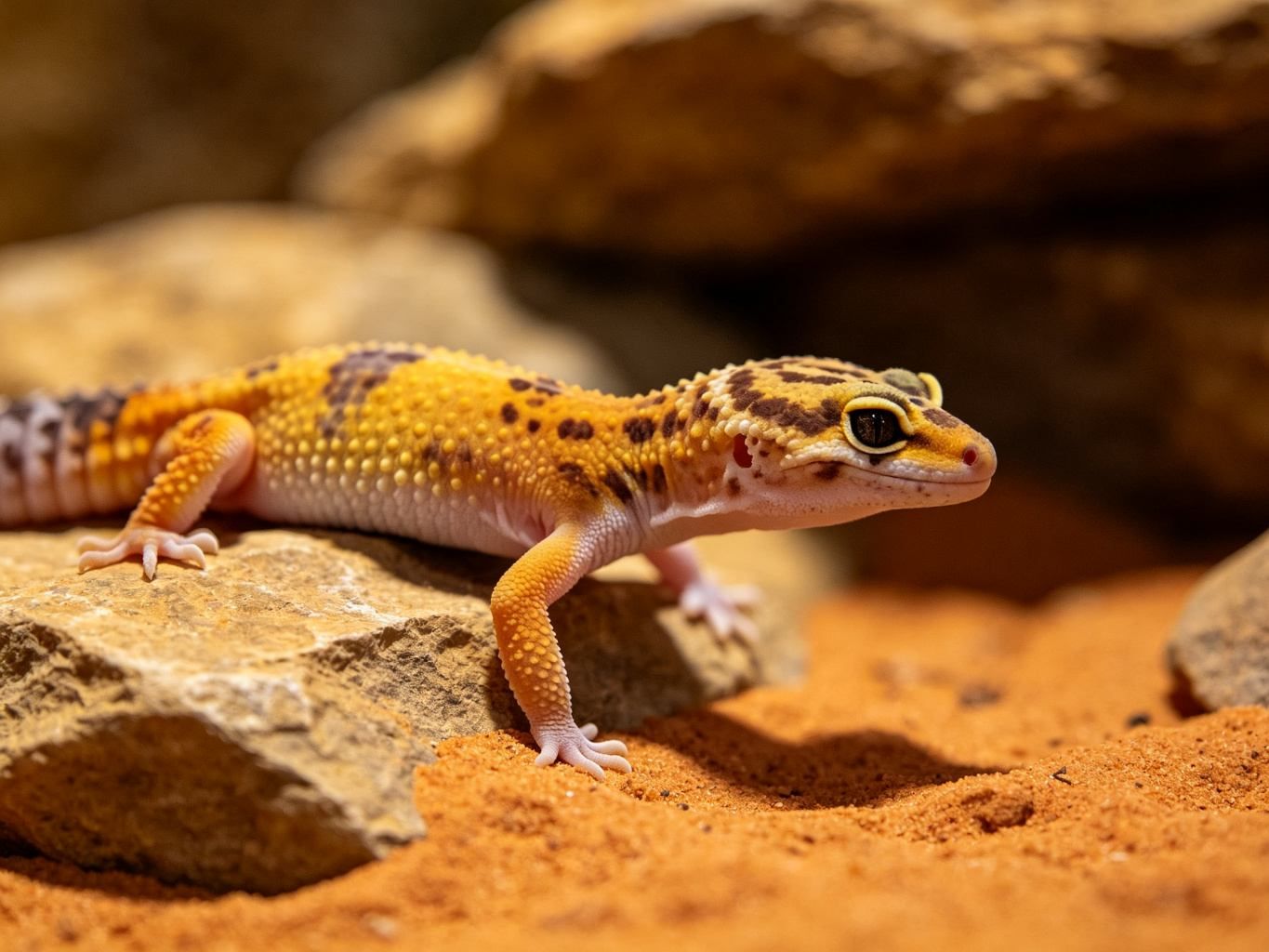

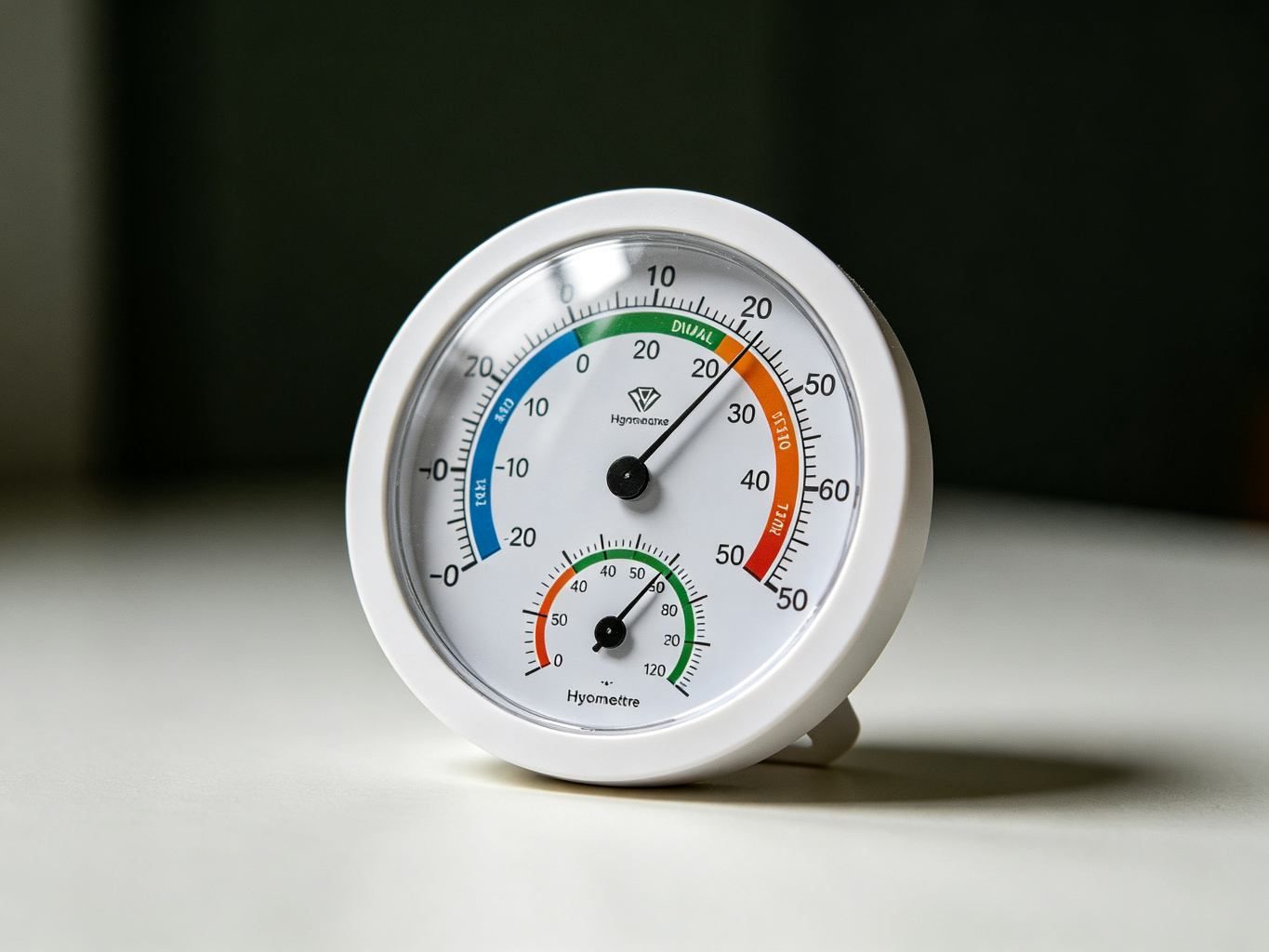
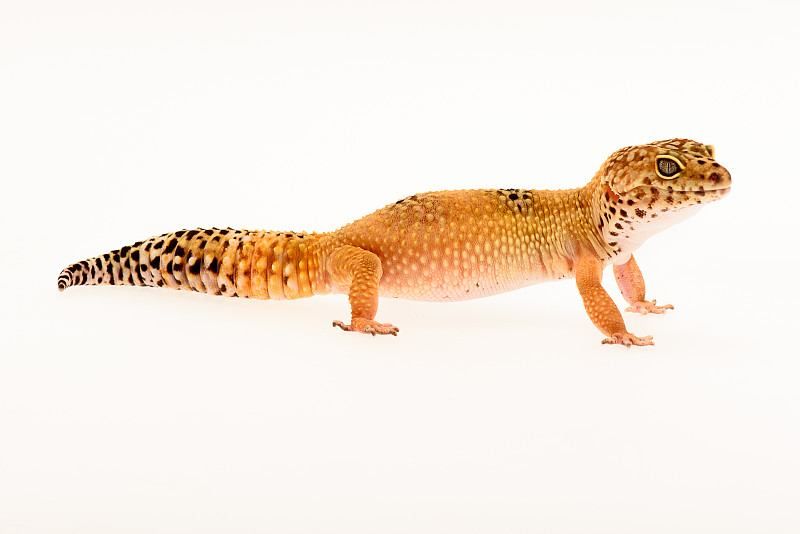
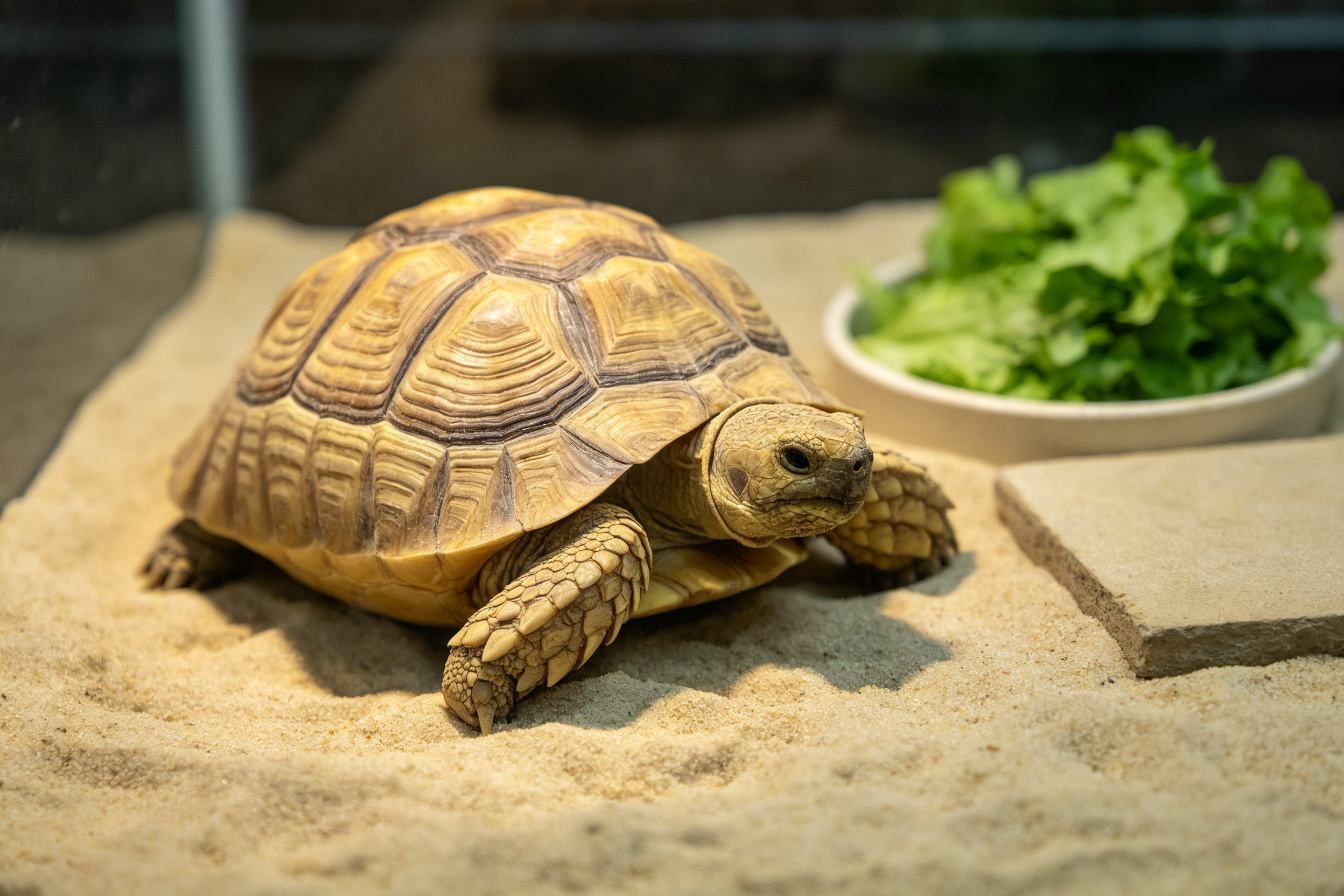
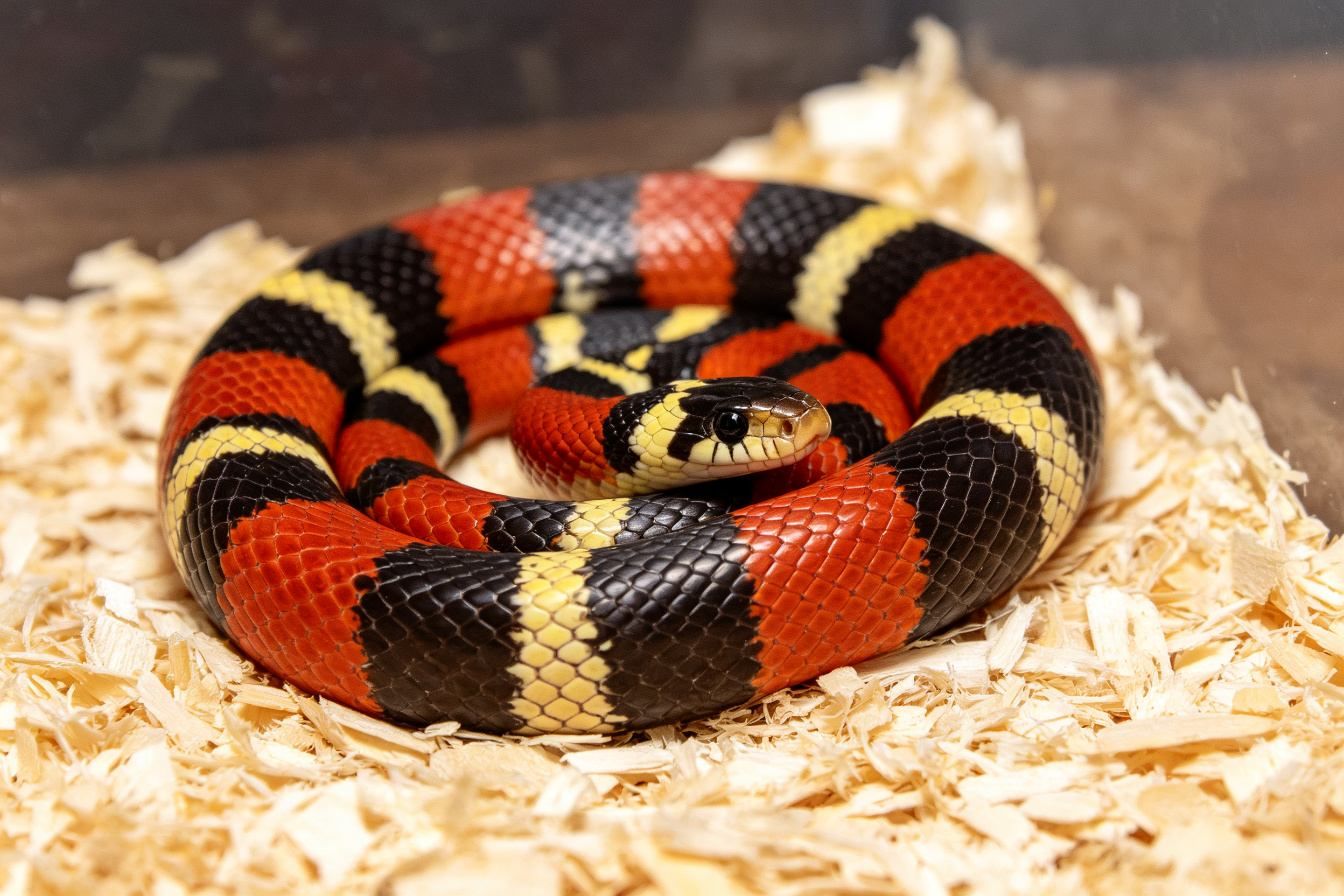
Popular species, one profile each
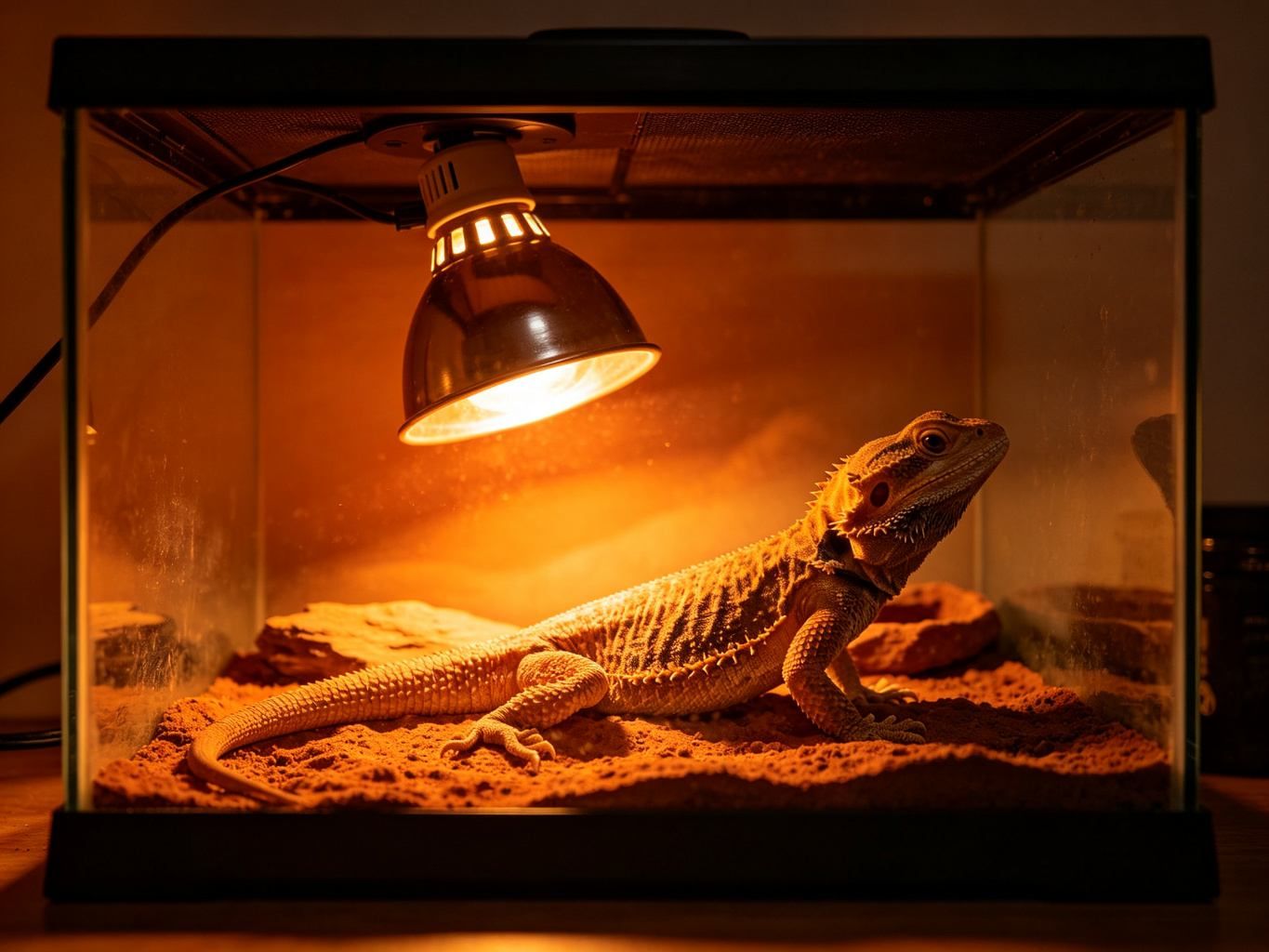
Tap a species to open its care profile and jump straight into the right tools.

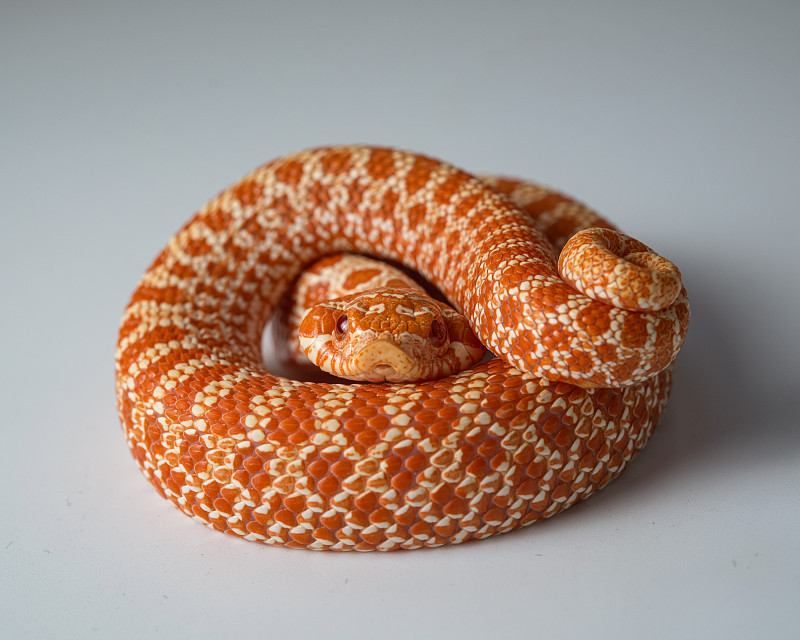

Deep guides written for real keepers
Original, practical, 800+ words each. Learn before you buy, solve problems after.
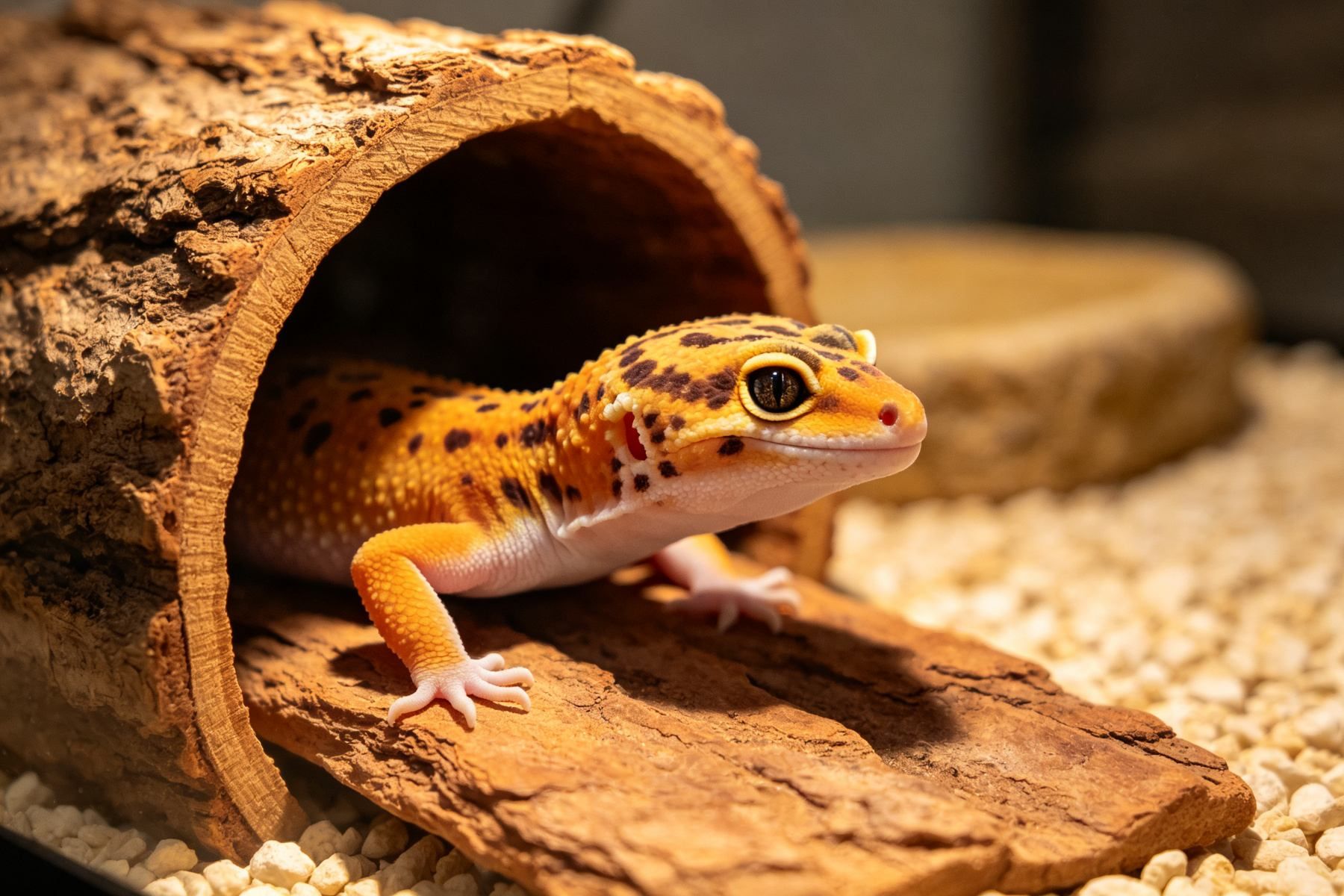
Leopard Gecko Complete Care Guide: From Arrival to Year One
Enclosure setup, temperature gradient, feeding rhythm, shedding care and the mistakes almost every beginner makes.
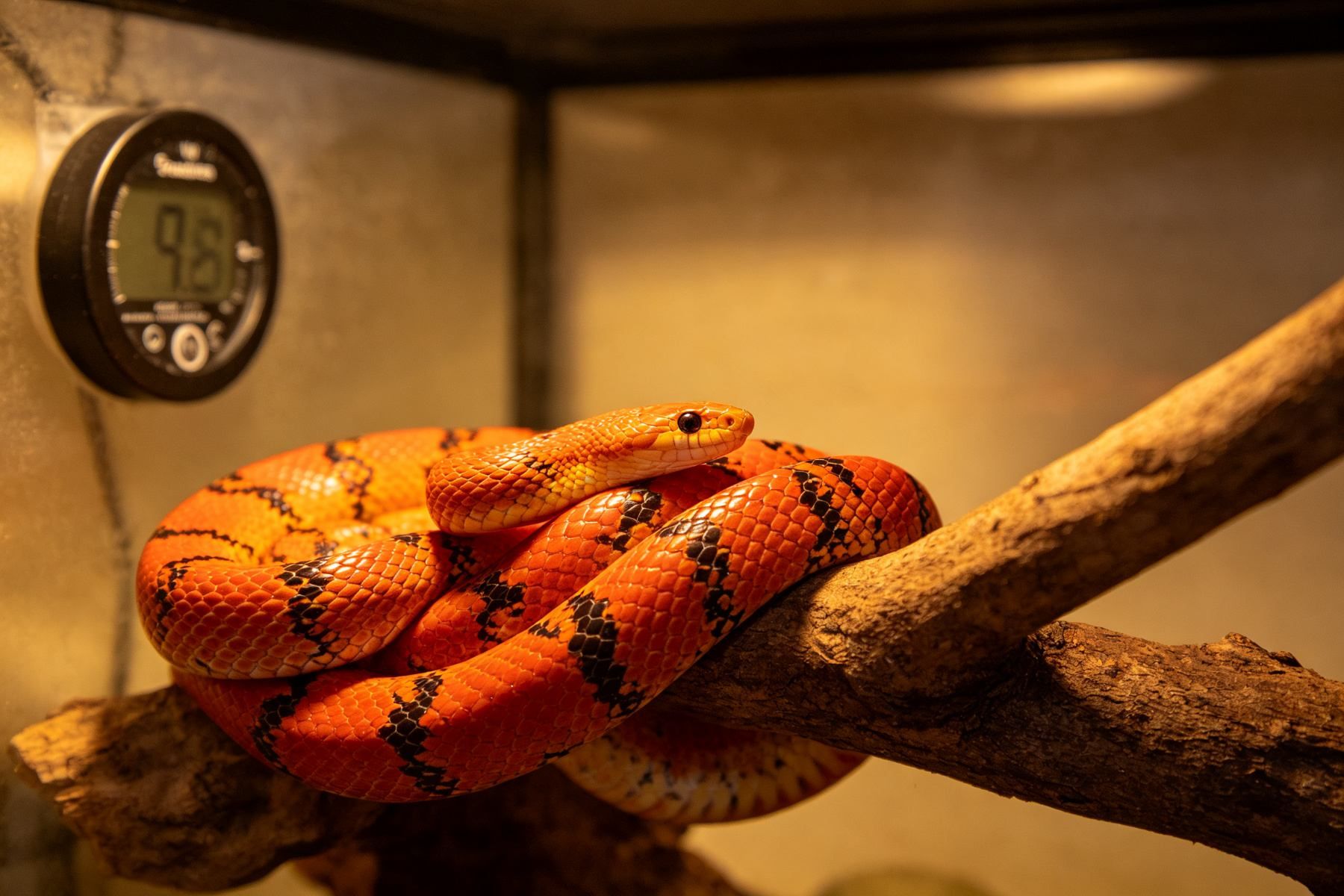
Corn Snake Temperature & Feeding Schedule: The Complete Guide
Gradients, prey sizing by weight, feeding intervals and seasonal changes explained.
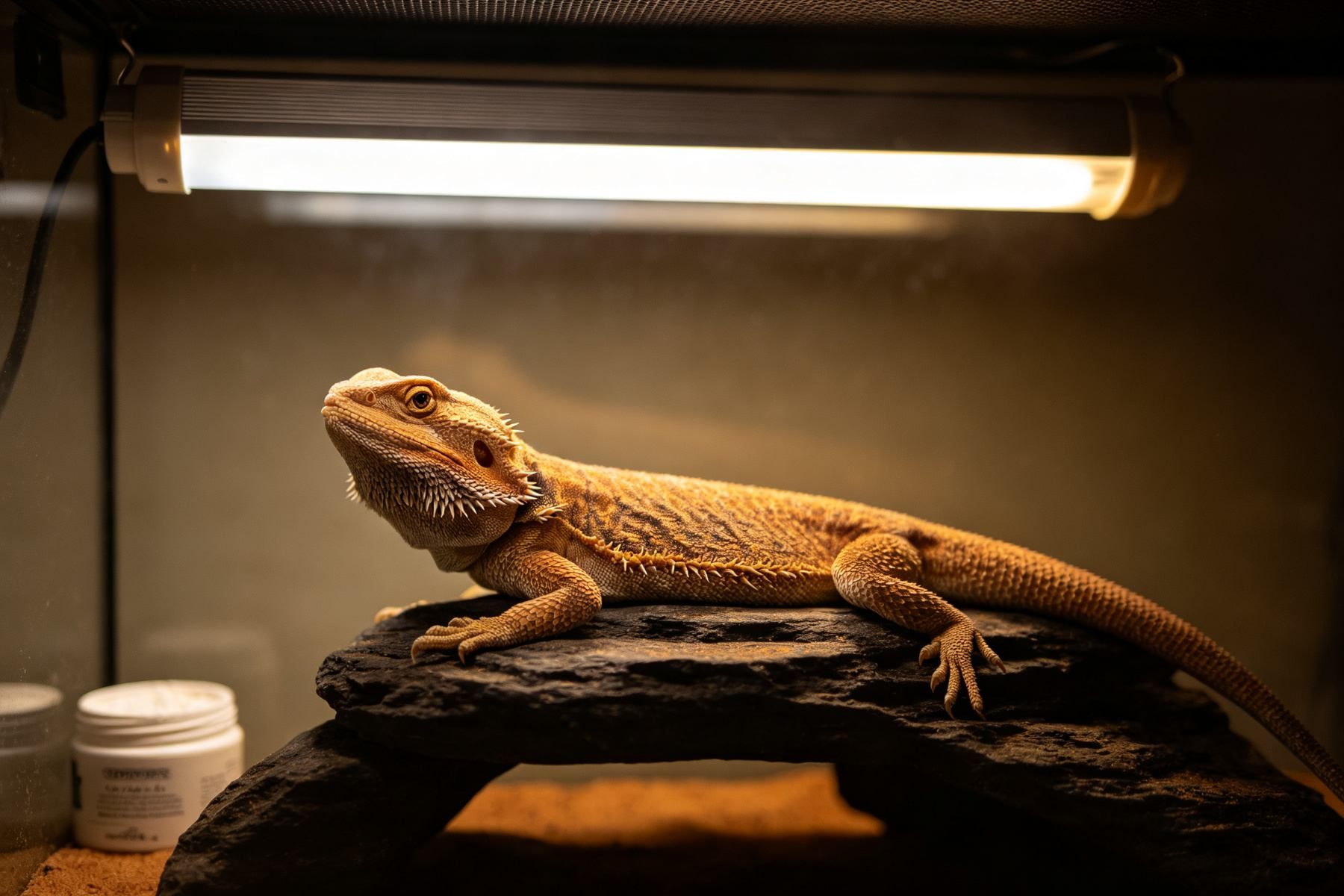
Bearded Dragon UVB & Calcium: Why the Lamp Matters More Than You Think
Why "sunlight" matters, how lamps decay, and how to pair UVB with D3 calcium correctly.
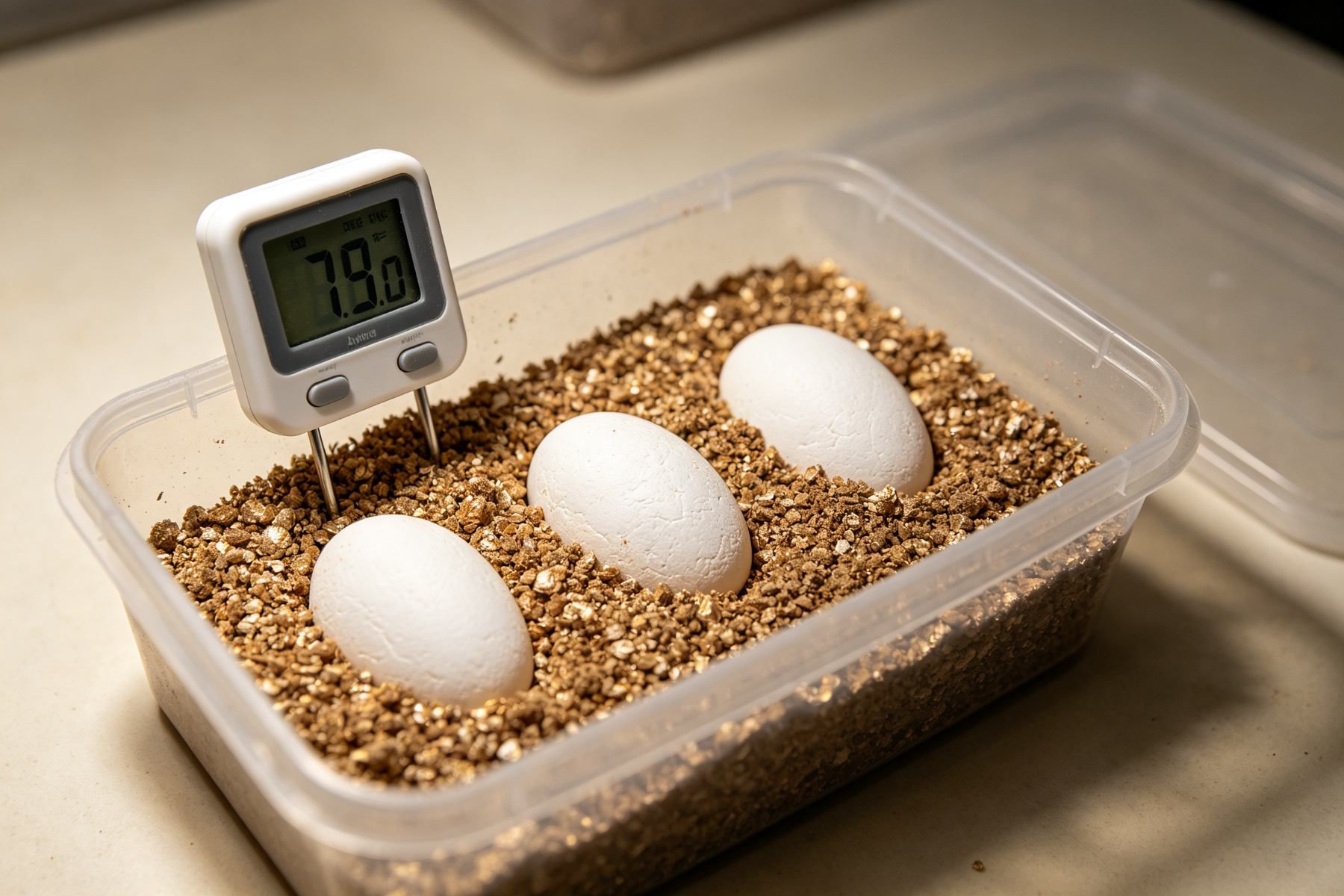
Reptile Egg Incubation: Temperature, Humidity & the Sex Mystery
Substrate, temperature stability, TSD sex determination, and care for the first 72 hours after hatching.
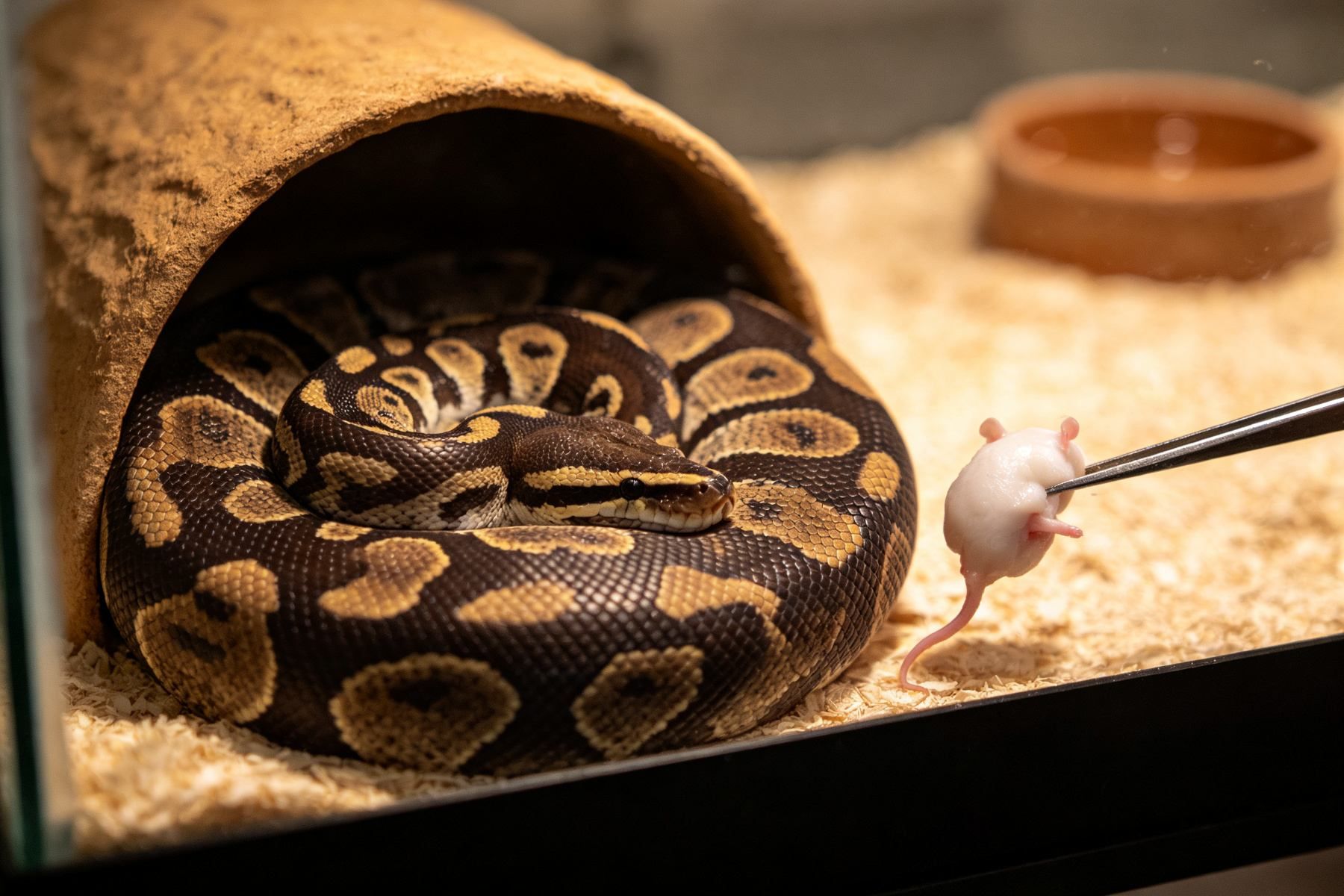
Ball Python Refusing Food? 10 Steps to Troubleshoot
Environment, prey, stress, season, and when a fast means a vet visit.
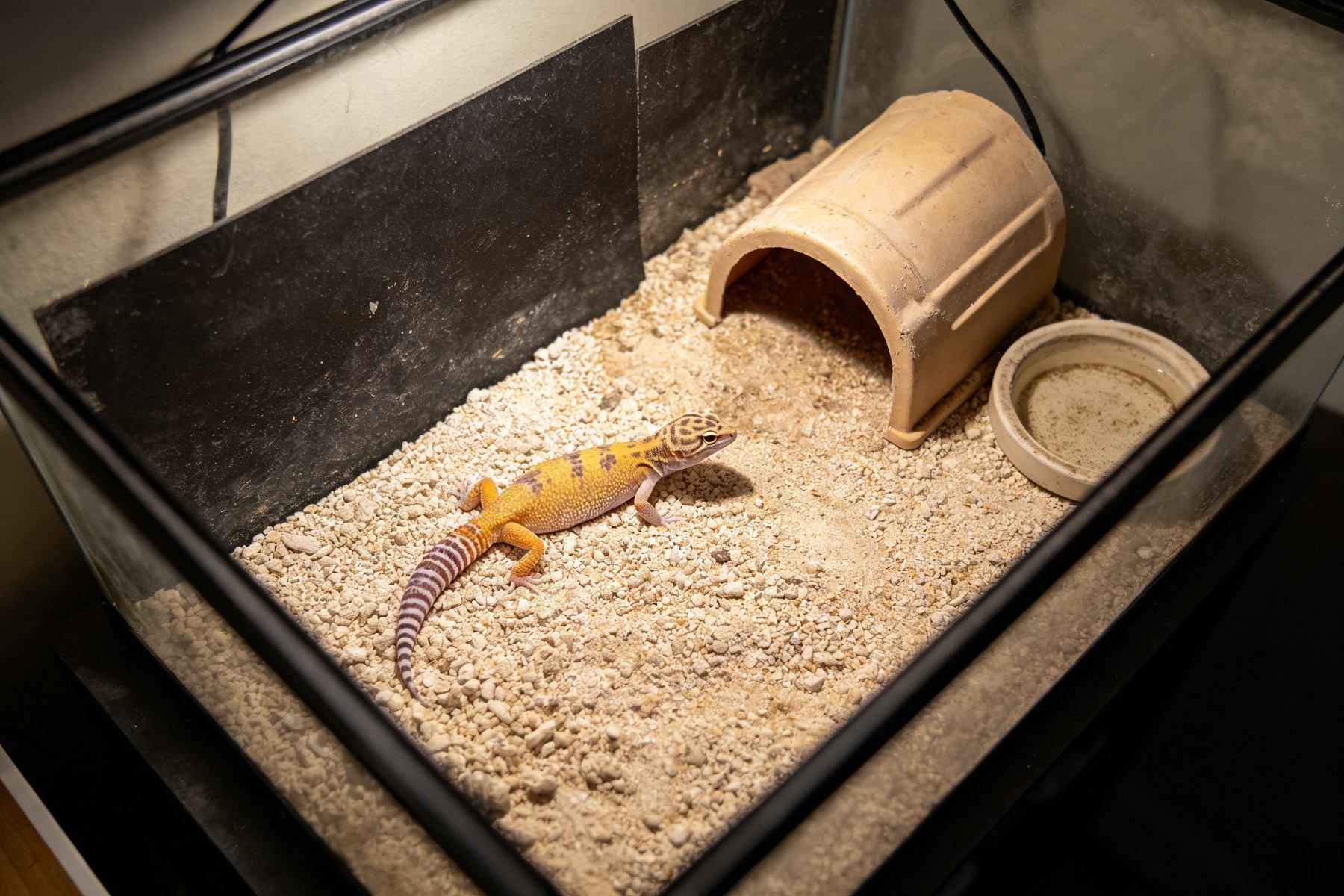
10 Beginner Reptile-Keeping Mistakes (and How to Avoid Them)
From no thermostat to cohabitation — and the legal pitfalls new keepers face in the US, UK and Canada.
Start with the right species
Not sure what to keep? Take the 2-minute match quiz and get species recommendations based on your space, budget and experience.